This summer, the Minnesota Department of Natural Resources has reported new infestations of aquatic invasive species – zebra mussels and starry stonewort – at a dozen lakes across the state. The discoveries underscore the inherent challenge of protecting Minnesota waterways in a state with more than 11,000 lakes, thousands of natural and manmade connections, and countless ways to access the water from public and private lands.

In summer of 2024, new zebra mussel infestations were found locally in Big Carnelian (May Township) and Clear Lake (Forest Lake). Then, in October, a contracted surveyor observed adult zebra mussels during a lake bottom sediment survey in Long Lake (Mahtomedi). The DNR followed-up with additional surveys this summer and confirmed the presence of zebra mussel larvae (called veligers) in Long Lake, as well as DeMontreville and Olson, which are hydrologically connected. Elsewhere in the state, the MN DNR has reported six additional new zebra mussel infestations in 2025. Bone, Forest, and White Bear Lake have also had zebra mussels for several years, as does the St. Croix River, south of the Boomsite,
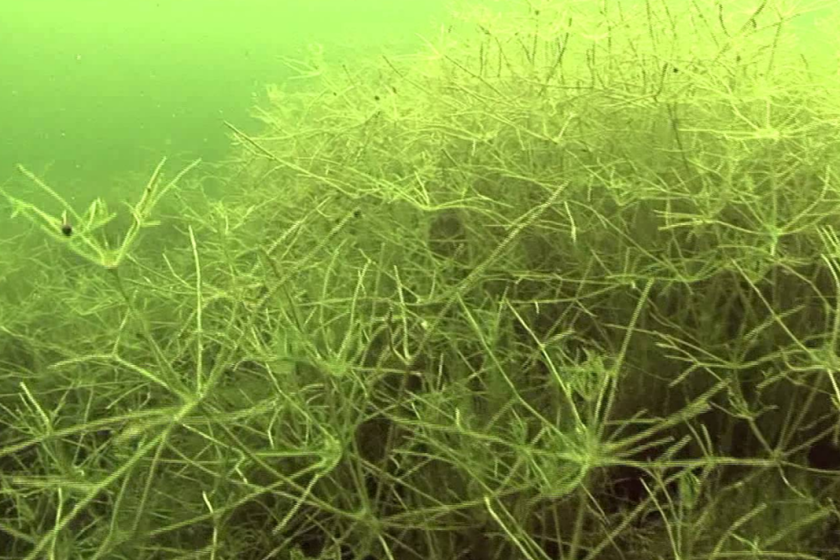
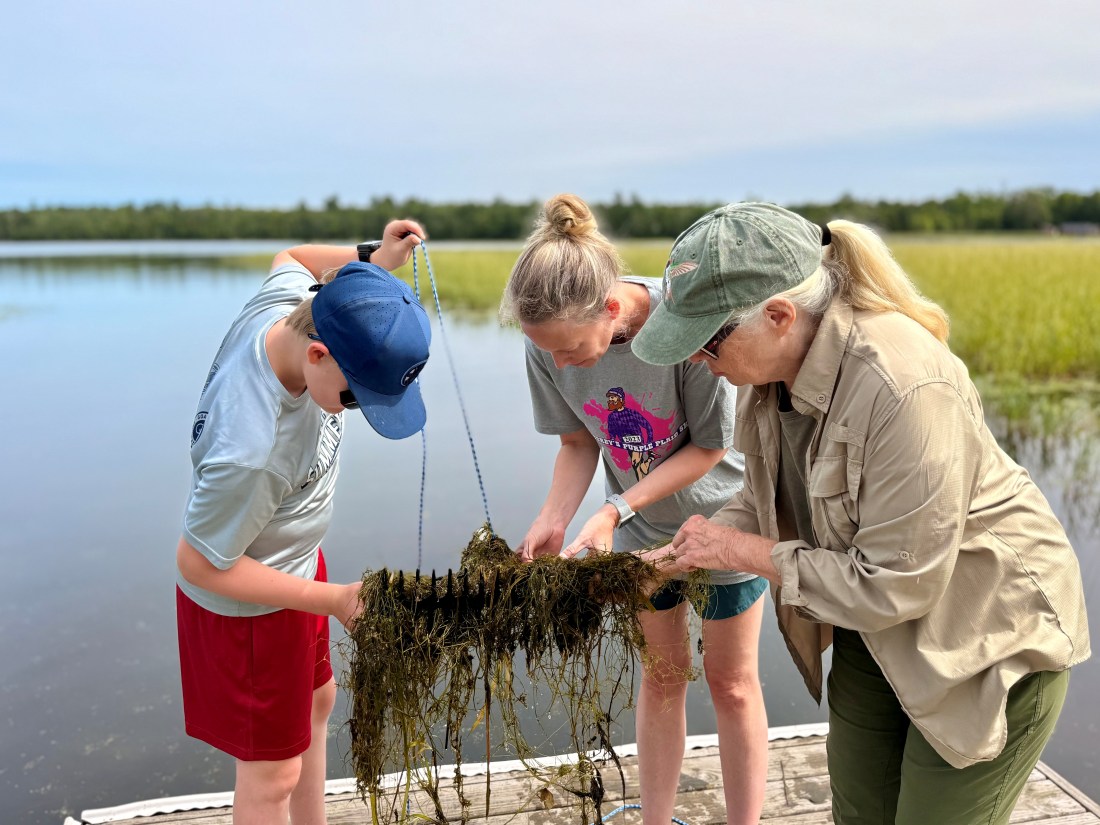
On August 9, volunteers attending University of Minnesota’s annual Starry Trek event also found new infestations of starry stonewort in Garfield Lake (Hubbard Co), Gull and Three Island Lakes (Beltrami Co), and Two Rivers Lake (Stearns Co). Starry stonewort is an invasive alga that grows in tall and dense colonies, forming mats on the surface of lakes. It was first found in Minnesota in Lake Koronis in 2015 and has now spread to 34 additional lakes. It has not yet been found anywhere in the Twin Cities metro.



While many AIS prevention efforts focus on boater education and watercraft inspections at public boat launches, there are also more than 135,000 cabins in Minnesota and tens of thousands of year-round lake homes, most of which come with docks and water access. Zebra mussels can also be spread by water service providers installing or removing boats, docks, and lifts, as well as by contractors installing rock rip rap and retailing walls.
Once aquatic invasive species arrive in a lake or river, it is almost always impossible to get them out. Starry stonewort has never been eradicated from any U.S. lake or river. And, after analyzing 11 years of starry stonewort treatment data across three states, researchers at the University of Minnesota have also determined that copper-based algaecide treatments do not help to slow starry stonewort’s expansion within infested lakes. On occasion, if infestations are small and found early enough, sustained hand removal efforts can reduce and contain infestations.
Similarly, zebra mussel treatment is almost always ineffective, other than in rare examples where an isolated infestation is quickly quarantined and treated before veligers can spread to other parts of the lake.

Whether or not a lake is listed as infested, Minnesota law requires all water users to:
- Clean watercraft of all aquatic plants and prohibited invasive species.
- Drain all water by removing drain plugs and keeping them out during transport.
- Dispose of unwanted bait in the trash.
- Dry docks, lifts, swim rafts and other equipment for at least 21 days before placing equipment into another water body.
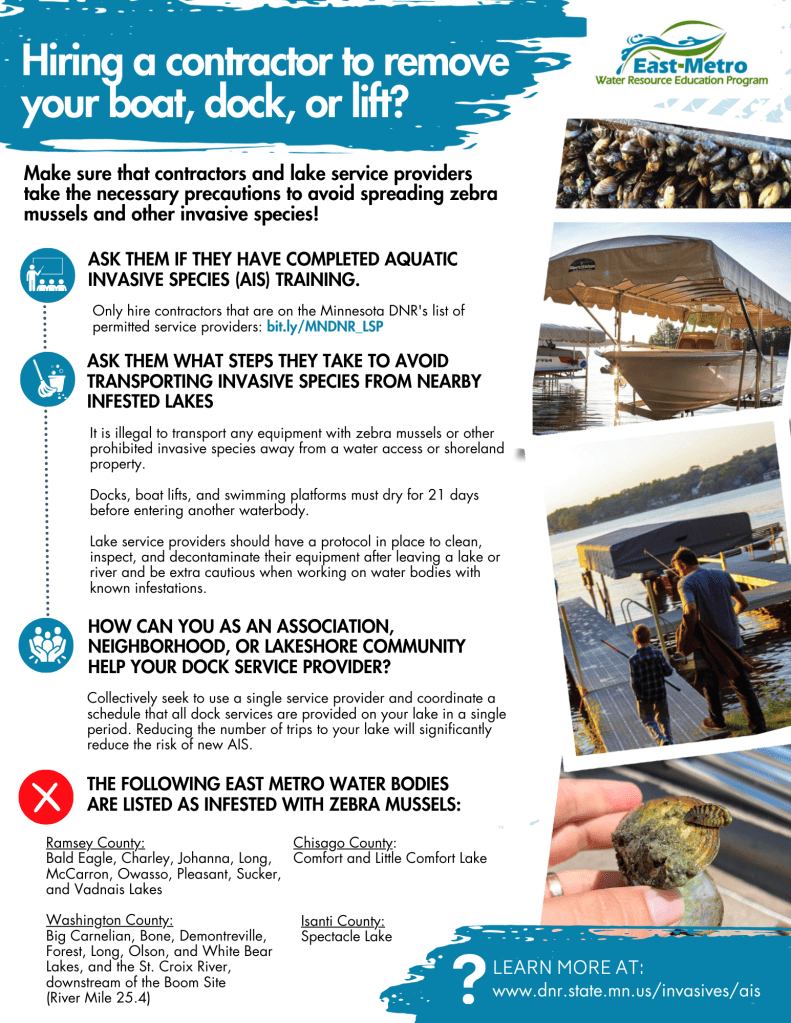
In addition, landowners should only hire contractors that are on the Minnesota DNR’s list of permitted service providers to remove boats, docks, and lifts this fall: bit.ly/MNDNR_LSP. Lake service providers should have a protocol in place to clean, inspect, and decontaminate their equipment after leaving a lake or river and be extra cautious when working on water bodies with known infestations.
Want to learn more about the potential impacts of starry stonewort on manoomin (wild rice)? The U of MN will host a webinar on Thursday, Sept. 25 at 1pm, presented by Raining White and Steve Smith. Sign up at maisrc.umn.edu/ais-detectors/webinars.

 East Metro Water